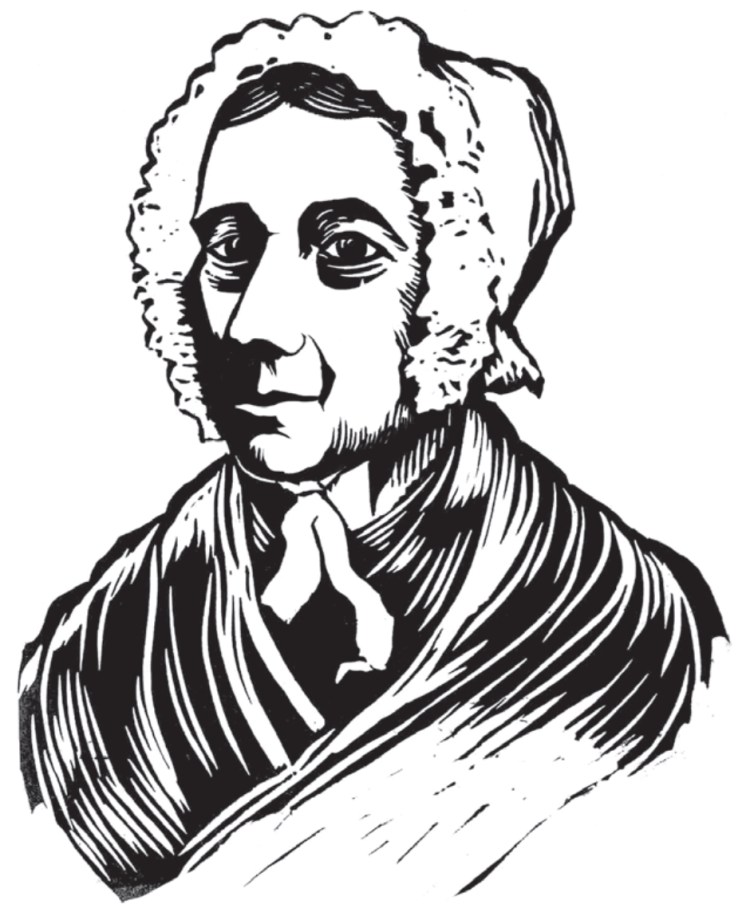
Betsi Cadwaladr: Born at the end of the eighteenth century, Betsi was Methodist minister’s daughter from Bala in North Wales. She crossed the oceans as a ship’s steward, building survival skills and experience along with care and compassion for others in preparation for her defining role: a nurse at Balaclava in the Crimean War. The largest health board in NHS Wales was named after this inspirational contemporary of Florence Nightingale.
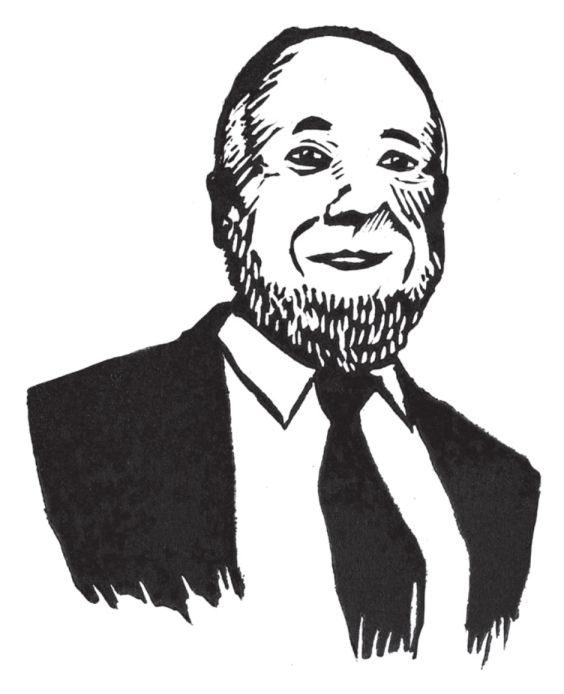
Julian Tudor Hart: Tudor Hart was a GP in a small mining community in South Wales. He published two seminal papers in The Lancet, on high blood pressure and the need to screen for it, and the social determinants of health and healthcare, the ‘Inverse Care Law’. He was a staunch advocate for the NHS and railed against the slide back to a market economy for healthcare.
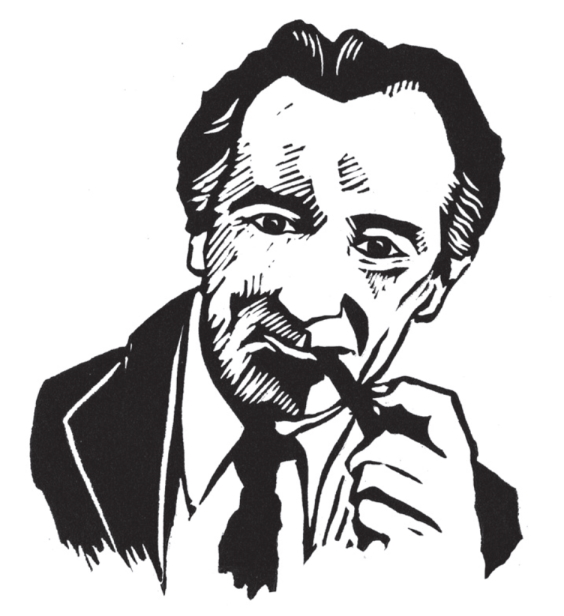
Archie Cochrane: Cochrane was Scottish, but settled in Wales. He advocated the use of randomized controlled trials to assess the efficacy of treatment, and railed against anecdotal medicine. He is credited as a founding father of evidence-based medicine. His name lives on at the Cochrane Library and the International Cochrane Collaboration.
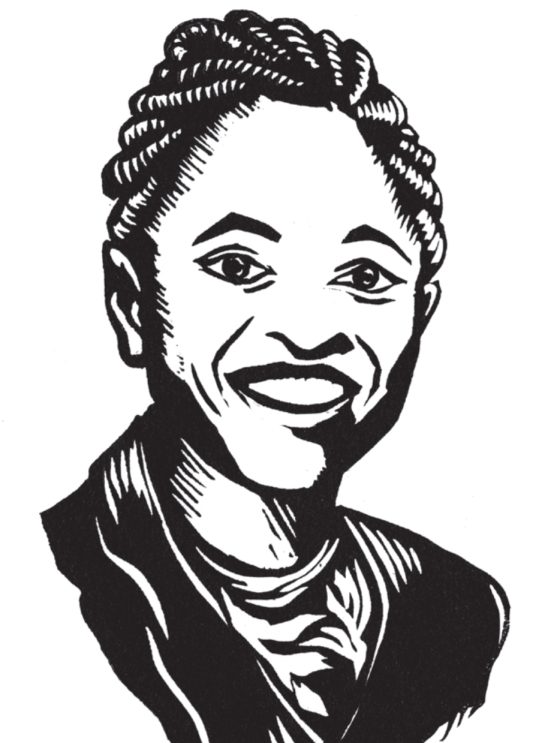
Faith Osier: Osier comes from Kenya and now leads one of the top international research laboratories focused on developing a vaccination for malaria prevention. She grew up and trained in Kenya before completing her clinical training as a paediatrician in the NHS.
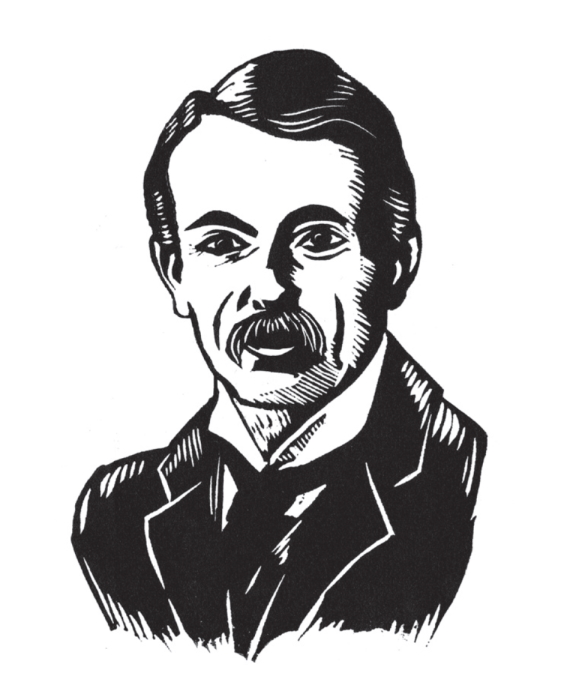
David Lloyd George: As chancellor and then prime minister, Lloyd George was responsible for creating the UK’s welfare state. He championed the poor, and strove to create a more equal society. He also prepared the way for the creation of a national health service.
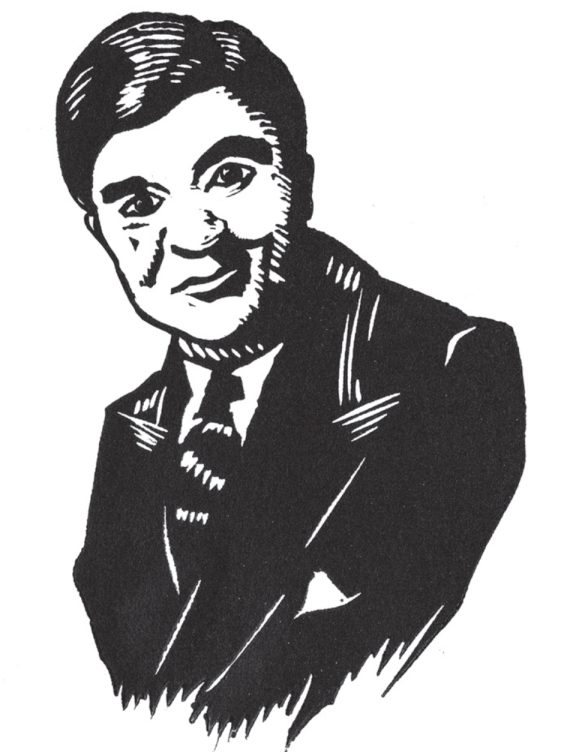
Aneurin Bevan: Nye Bevan started out as a coal miner in South Wales, but progressively made his way to the top in politics. He was appointed minister of Health, and created the legislation for the creation of the UK’s national health service in 1948.
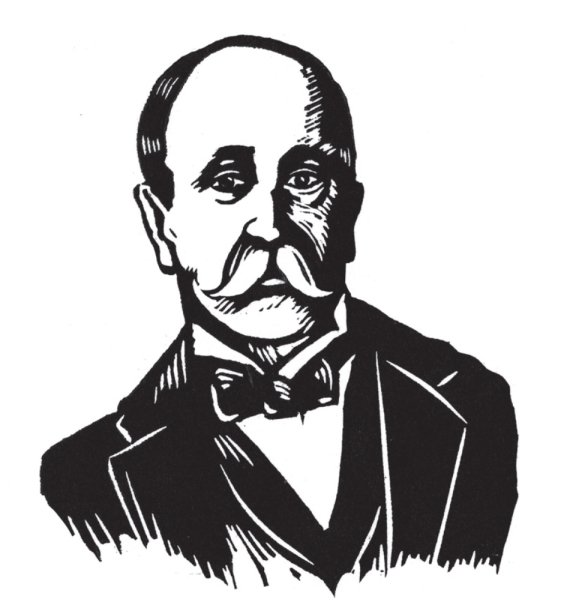
William Osler: Osler was a Canadian doctor who transformed doctoring into a noble profession at the end of the nineteenth and early 20th centuries. He combined a deep knowledge of science, with great clinical acumen, and kindness and compassion towards his patients. He is perhaps the best known and most respected doctor in the history of modern medicine
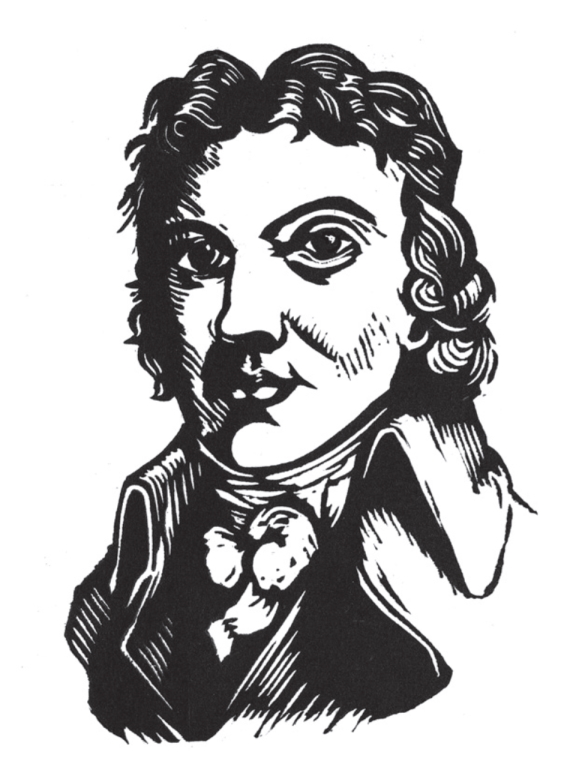
Edward Jenner: Jenner developed his skills as a scientist through careful observation of the natural world, and became convinced that infection with cow pox, a mild human viral infection acquired from cattle, would protect against small pox. He wrote up a series of cases, and was able to prove his theory in a scientifical paper. He is revered as the father of vaccination, a research institute in Oxford named after him.
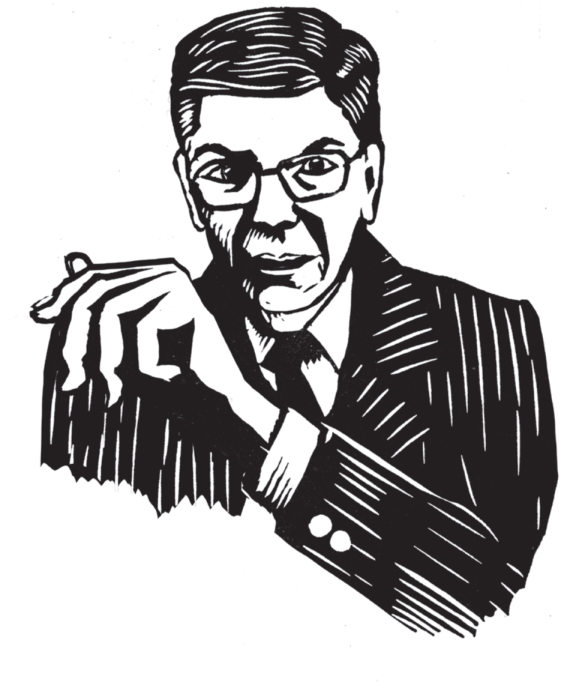
Clayton Christensen: Clay Christensen was an academic at Harvard Business School. He was one of the most influential business academics of his era. In the final years of his life, he dedicated his efforts to the business of healthcare. He is remembered for articulating how innovation can bring down costs, improve access to healthcare, and transform outdated modes of healthcare delivery.
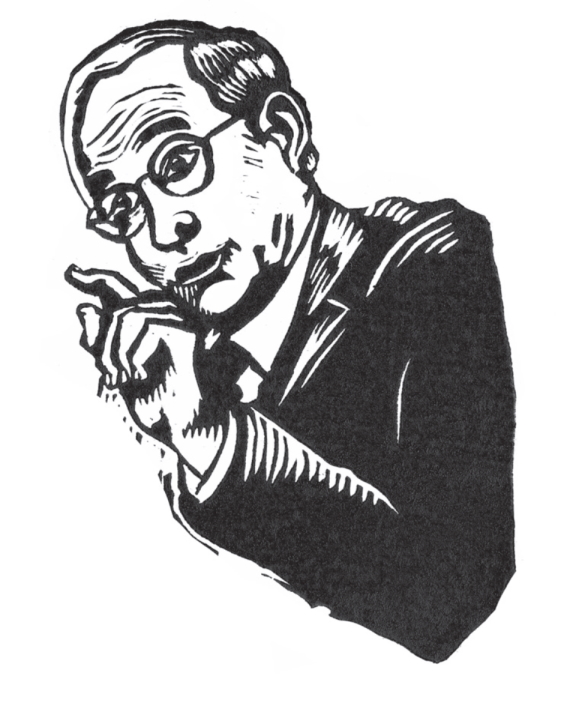
Don Berwick: Berwick was a paediatrician from Boston who rose to international prominence due to his efforts to transform heath care through service improvement. His mantra was to keep the patient at the centre of health care, to create efficient care pathways, to be efficient and to minimize waste.
 Alex Anstey